
This fall I spent an afternoon at the Frankel Detroit Observatory in Ann Arbor. The goal was simple to say and harder to do: make photos that show what a visit there actually feels like.
A real visit, not a posed one
I worked with the observatory staff, student docents in both astronomy and history, and some community members who came in to fill the space. I asked the docents and staff to treat everyone the way they would on a normal visit. Give the tour, answer the questions, point out the things you'd point out on any other day.
That made my job easier. People stop thinking about the camera once they're actually interested in something. The docents were doing what they do well, the visitors were really listening, and I could step back and photograph it as it happened.
Dim rooms and a very big telescope
The older part of the observatory was the tricky part. The rooms are small and the light is low, which is part of the charm in person but takes some work on camera. I kept the light looking like the room really looks, not brighter and flatter than it is.
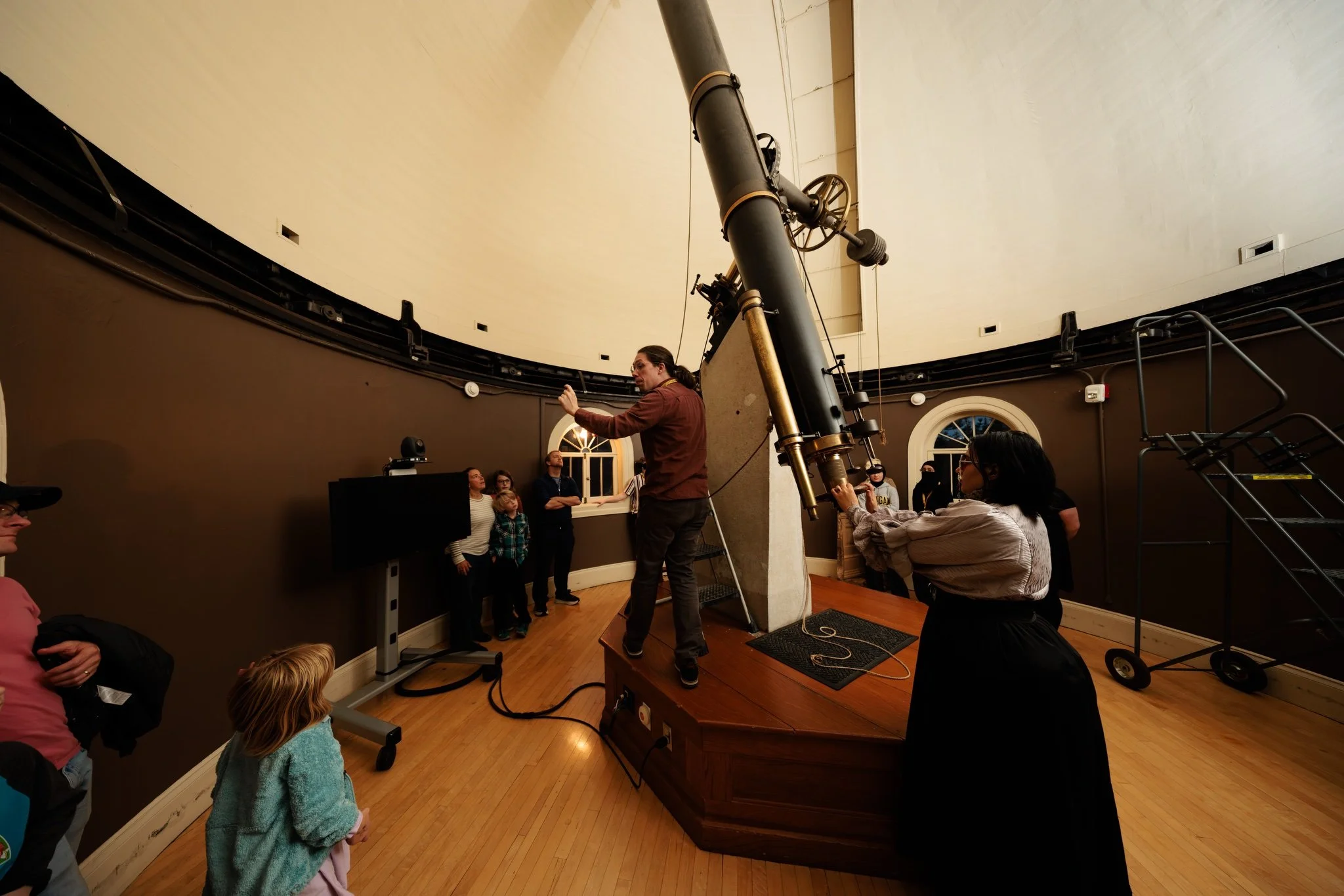
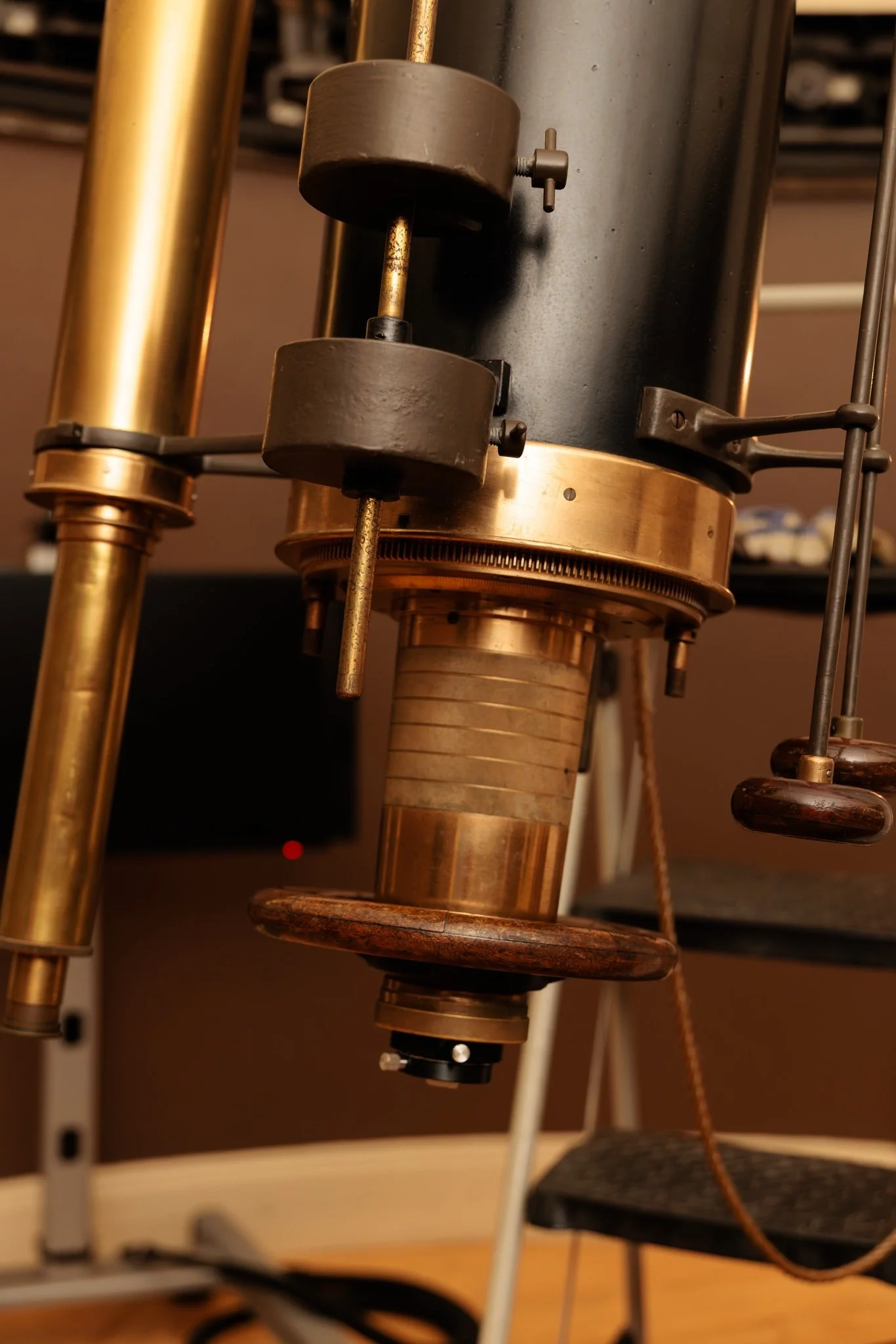
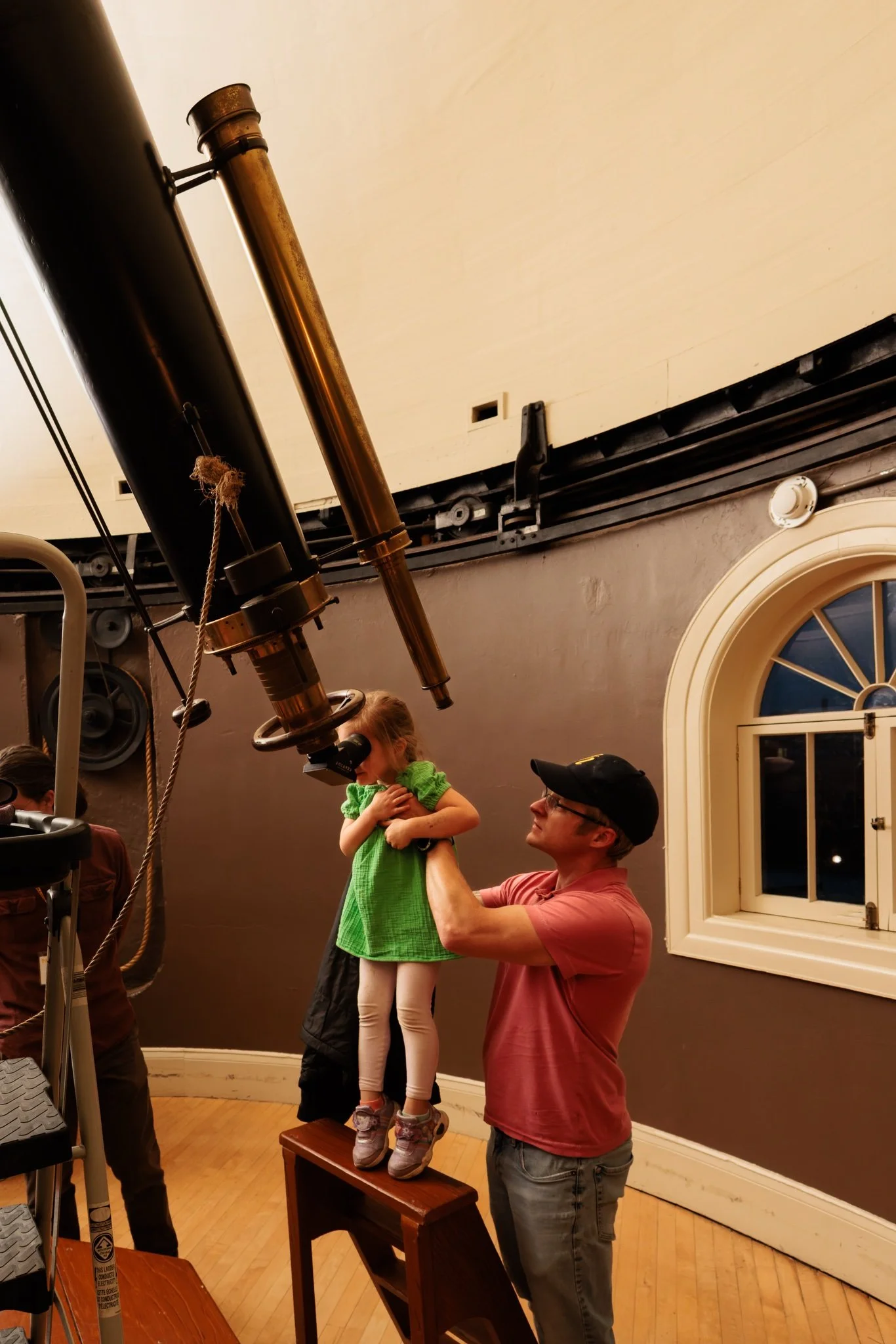
The Fitz telescope was the opposite problem. It's striking, but it's so big next to the people around it that one photo couldn't tell the whole story. So I made a mix: wide shots to show the scale of the room and the telescope, and tight shots of hands, faces, and details so you can see what people were doing.
My favorite photos
Two kinds of photos stand out to me from that day.
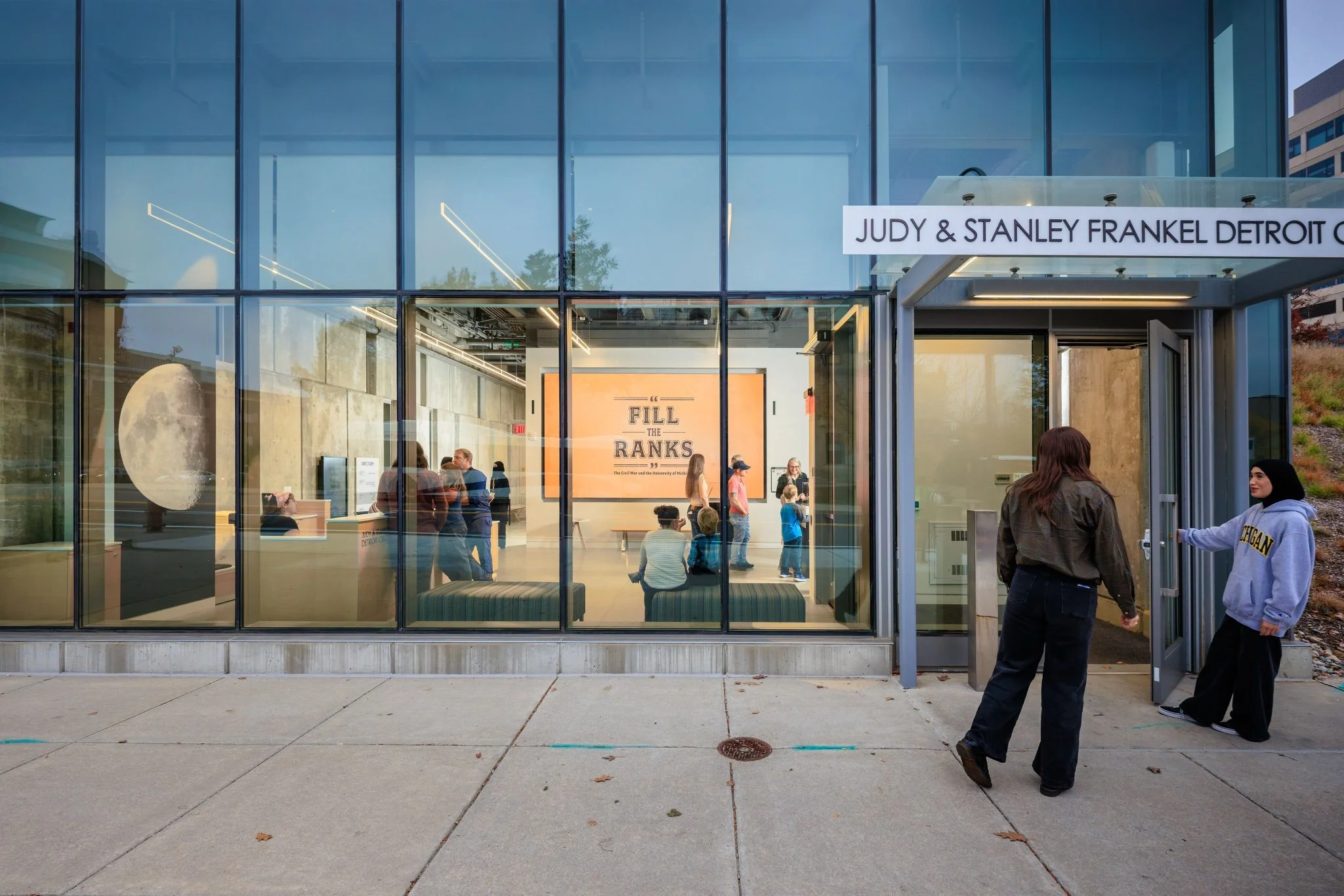
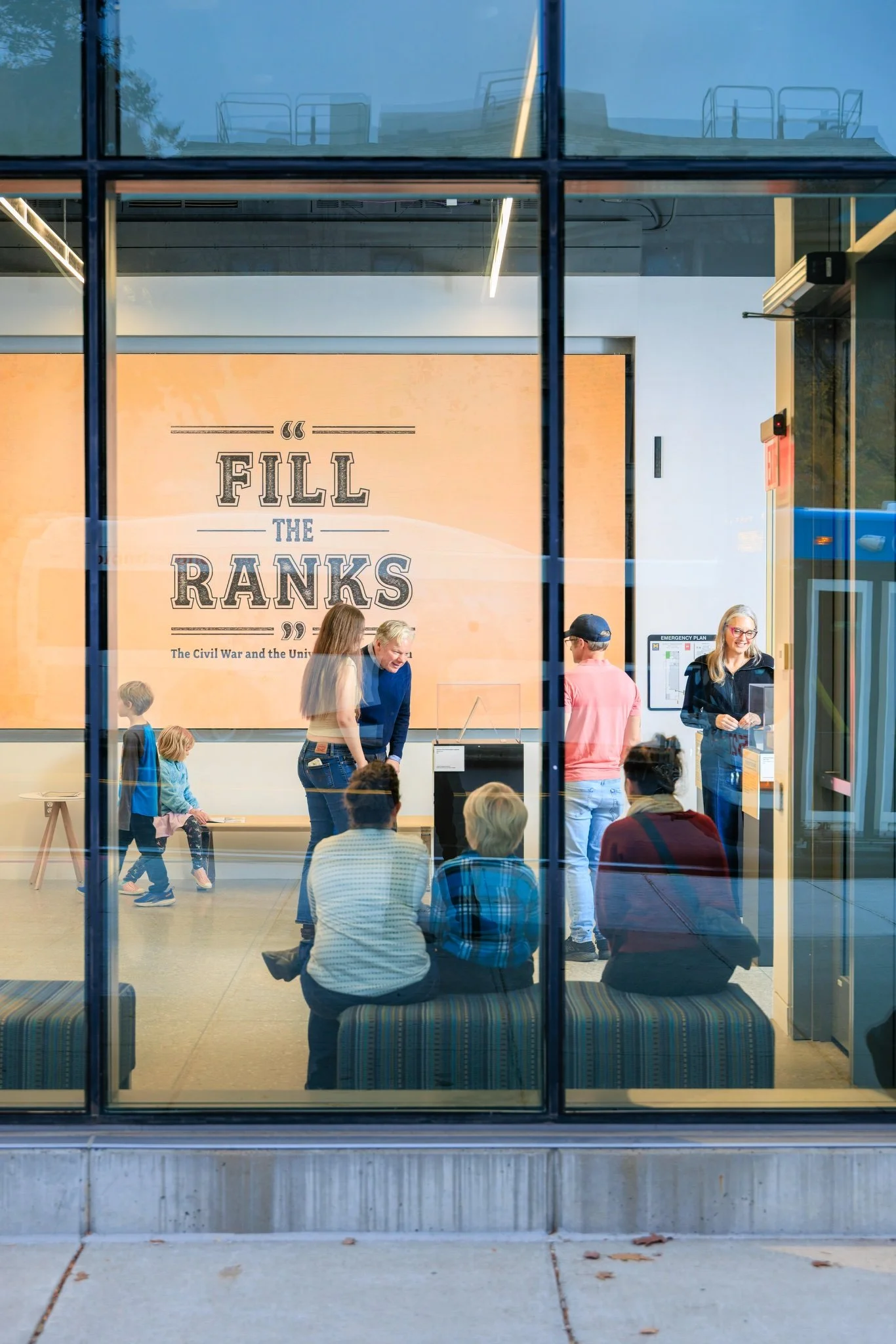
The first is the lobby, shot from outside. You can see people inside clearly engaged, and you also get a sense of the building and where it sits. It says "this is the observatory" and "people come here" in the same frame.
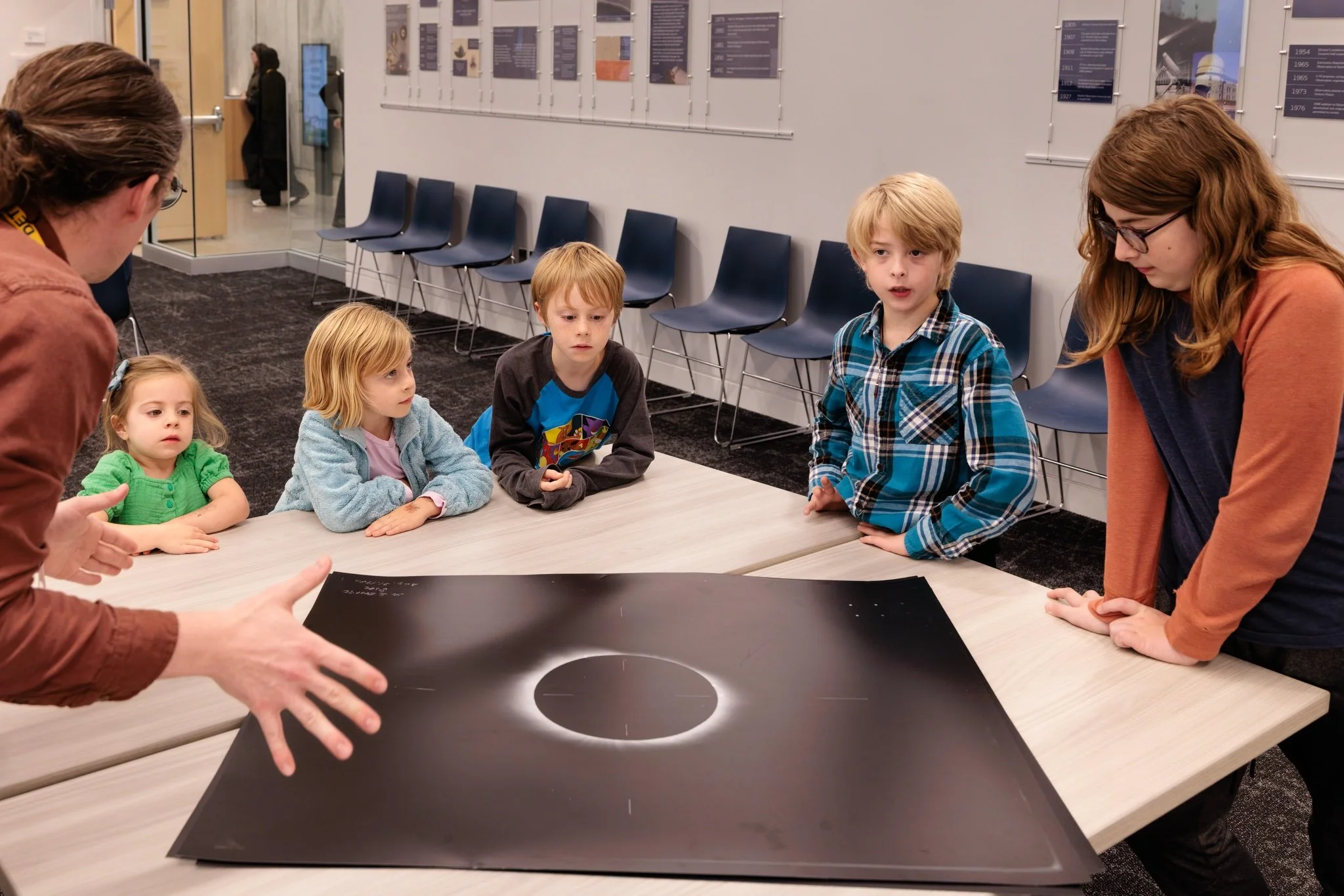
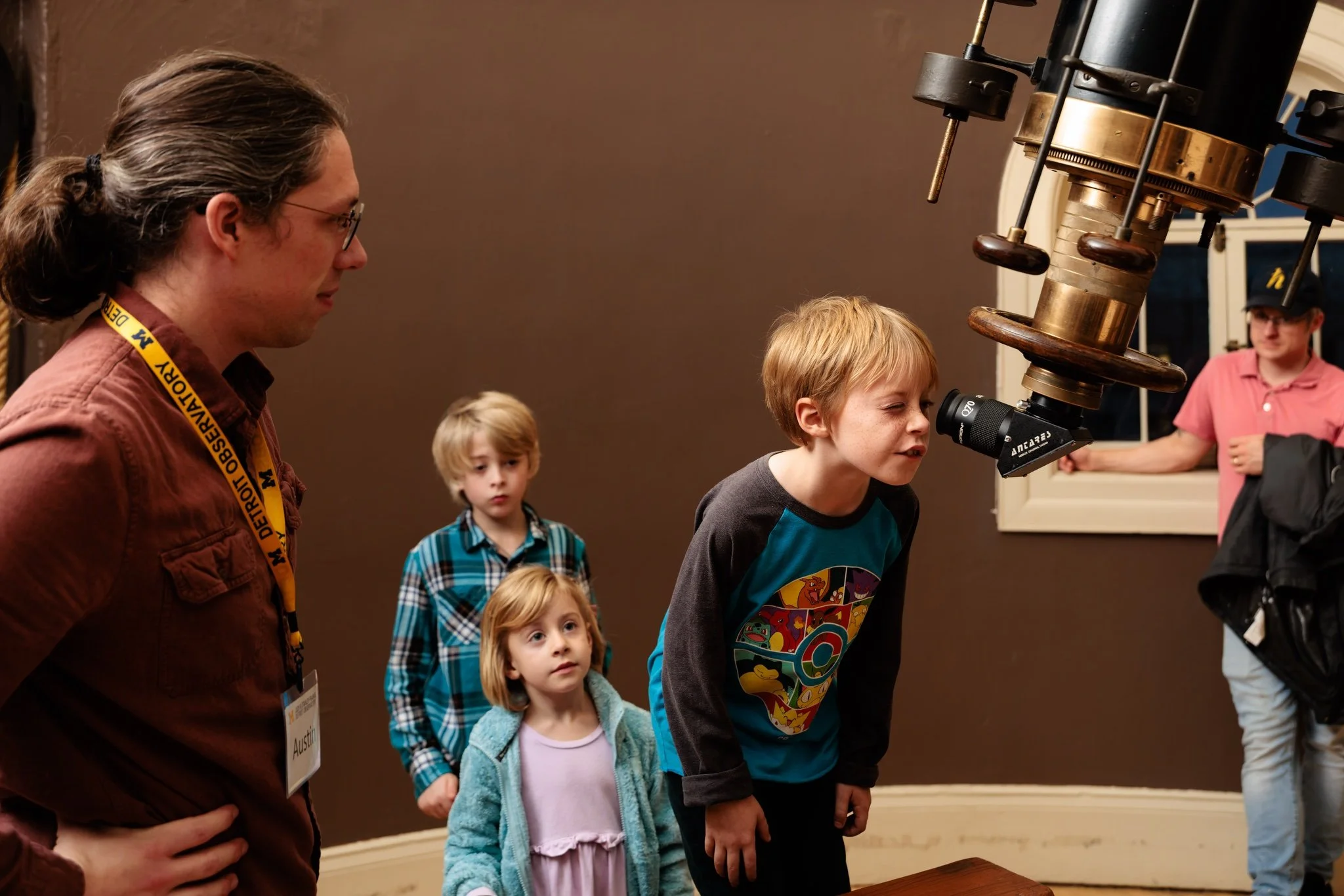
The second is the kids at the telescopes. You can't fake that kind of interest, and you can't direct it either. All I had to do was be ready when they leaned in.
If you're planning photos of your space
If you run a museum, library, historic building, or any place people visit, here's what I'd suggest:
Have your real people do their real jobs. Staff and volunteers who know the space give a better tour than anyone I could direct.
Bring in a few visitors. A room with people in it looks alive. An empty room looks like a listing.
Plan for wide and tight. Wide shots show the place. Tight shots show why people care about it. You need both.
Expect some tricky light. Old buildings are often dim. That's fine. It just needs a little more time.
If you'd like photos like these of your own space or organization, you can see how I work and what it costs on my Branding Sessions page, or get in touch.
